
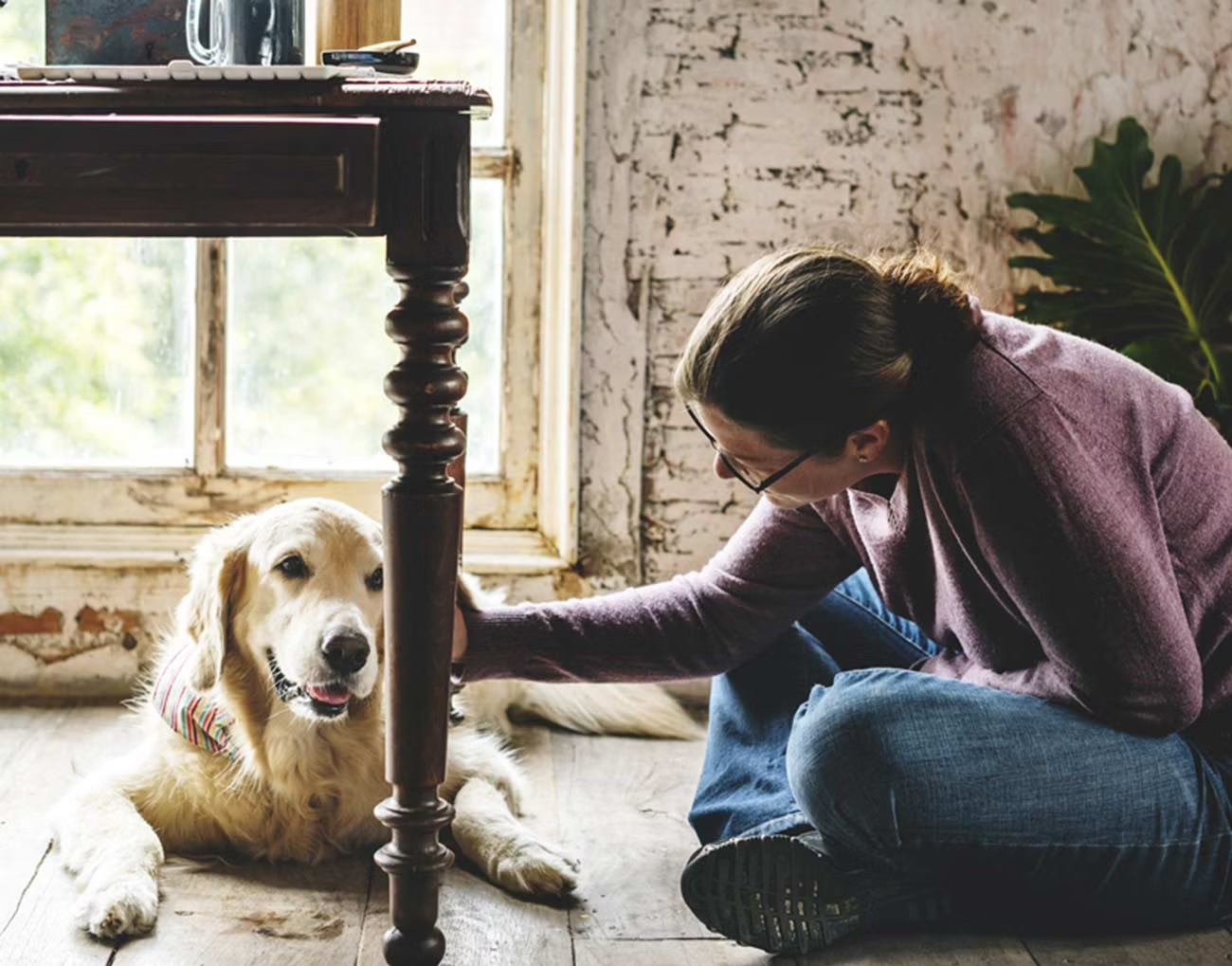
Degenerative joint disease (osteoarthritis) develops slowly, and its signs are easily mistaken for "just old age". Meanwhile it is a source of chronic pain that can - and should - be managed. The earlier we detect it, the more we can do to slow its progress and keep your dog moving comfortably.
How to recognise arthritis
- stiffness after rest and limping that eases as the dog "warms up",
- reluctance to climb stairs, jump or take longer walks,
- irritability when touched over sore joints,
- in cats: less jumping onto furniture and reduced play.
Diagnosis is based on an orthopaedic examination and X-rays. Chronic pain is rarely shown openly - most animals simply "slow down".
How we help arthritic patients
- INDIBA therapy - reduces pain and improves tissue blood supply,
- the underwater treadmill - movement without loading the joints,
- exercises and manual therapy to maintain range of motion,
- weight control and medication chosen by the vet.
Diet and everyday support
Keeping a lean body condition is the single most important thing an owner can do - every extra kilogram loads the diseased joints. Joint-support supplements (omega-3 fatty acids, glucosamine, chondroitin) can be a useful addition to treatment. At home, provide a soft, warm bed, non-slip mats and regular moderate exercise instead of intense bursts.
Can arthritis be cured?
The changes cannot be reversed, but their progress can be slowed considerably and the pain controlled well - which for the dog means a normal, happy life. If you notice stiffness or reluctance to move, book a consultation at the MultiVet clinic in Lutynia near Wrocław and we will build a support programme for your dog.