Surgery is often only half the battle - what determines the final result is what happens in the weeks that follow. Well-planned post-operative rehabilitation speeds up healing, rebuilds muscle and helps the dog return safely to normal activity. Skipping it is one of the most common reasons recovery drags on or the problem returns.
Stages of recovery
We guide patients back to fitness step by step. In the first days after surgery the priorities are pain control, reducing swelling and protecting the operated area. In the following weeks we introduce gentle passive and active exercise, manual therapy and treatments that support tissue healing. The final stage rebuilds strength, coordination and full range of motion.
The pace always depends on the type of surgery, the patient's age and condition, and the surgeon's guidance. Crucially, loading of the operated limb must not be rushed - premature exertion is the most frequent cause of setbacks.
The methods we use
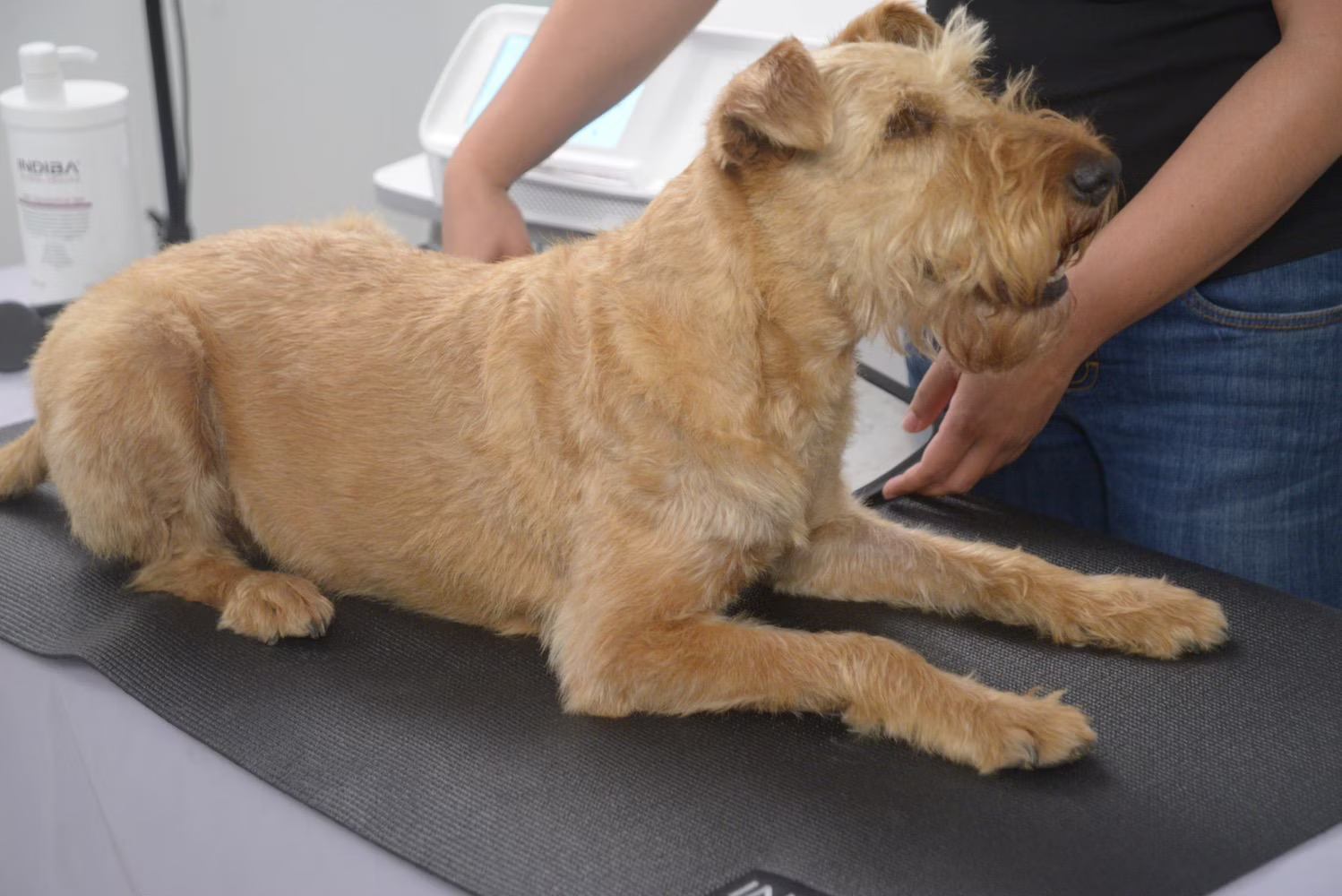
- INDIBA therapy - supports tissue regeneration and reduces pain,
- the underwater treadmill - safe movement with the joints relieved,
- manual therapy, massage and active exercise,
- home exercises for the owner between visits.
The owner's role at home
Success depends heavily on what happens between appointments. We ask owners to restrict the dog's activity exactly as advised, do simple exercises at home and keep the patient's weight in check, so the healing structures are not overloaded. Regular check-ups let us adjust the plan as healing progresses.
Common mistakes to avoid
Letting the dog run and jump too early, stopping medication once pain subsides, and skipping follow-up visits are the classic errors. Remember: the end of pain is not the end of healing - tissues need weeks to regain their strength. If your dog has had surgery - for example a cruciate ligament repair - contact the MultiVet clinic in Lutynia near Wrocław and we will plan a safe recovery programme.