INDIBA Animal Health is one of the most advanced technologies supporting tissue regeneration in animals. It uses radiofrequency energy at a fixed 448 kHz (the patented Proionic® System), which acts on the tissues in a controlled way and stimulates the body's own repair processes. Here is how it works and when it is worth considering.
What happens in the tissues
The therapy passes a 448 kHz current through the patient's tissues. This particular frequency optimally influences ionic exchange at the level of cell membranes. The result is stimulated microcirculation, faster cellular metabolism, and better oxygenation and nutrition of the tissues. Well-supplied tissue regenerates faster, and the body clears metabolic by-products and excess fluid responsible for swelling more efficiently.
We can work athermally (with no noticeable rise in temperature) or with a controlled thermal effect, where the tissues are gently warmed. In fresh, acute inflammation we usually work athermally; in chronic complaints warmth relaxes the tissues and further improves blood supply.
What INDIBA helps with
- muscle and joint complaints - pain, tension and overload of the musculoskeletal system,
- tendon and ligament problems - supporting regeneration after injuries,
- recovery after surgery - supporting healing and reducing swelling,
- chronic pain - for example in older patients with degenerative joint disease.
What a session looks like
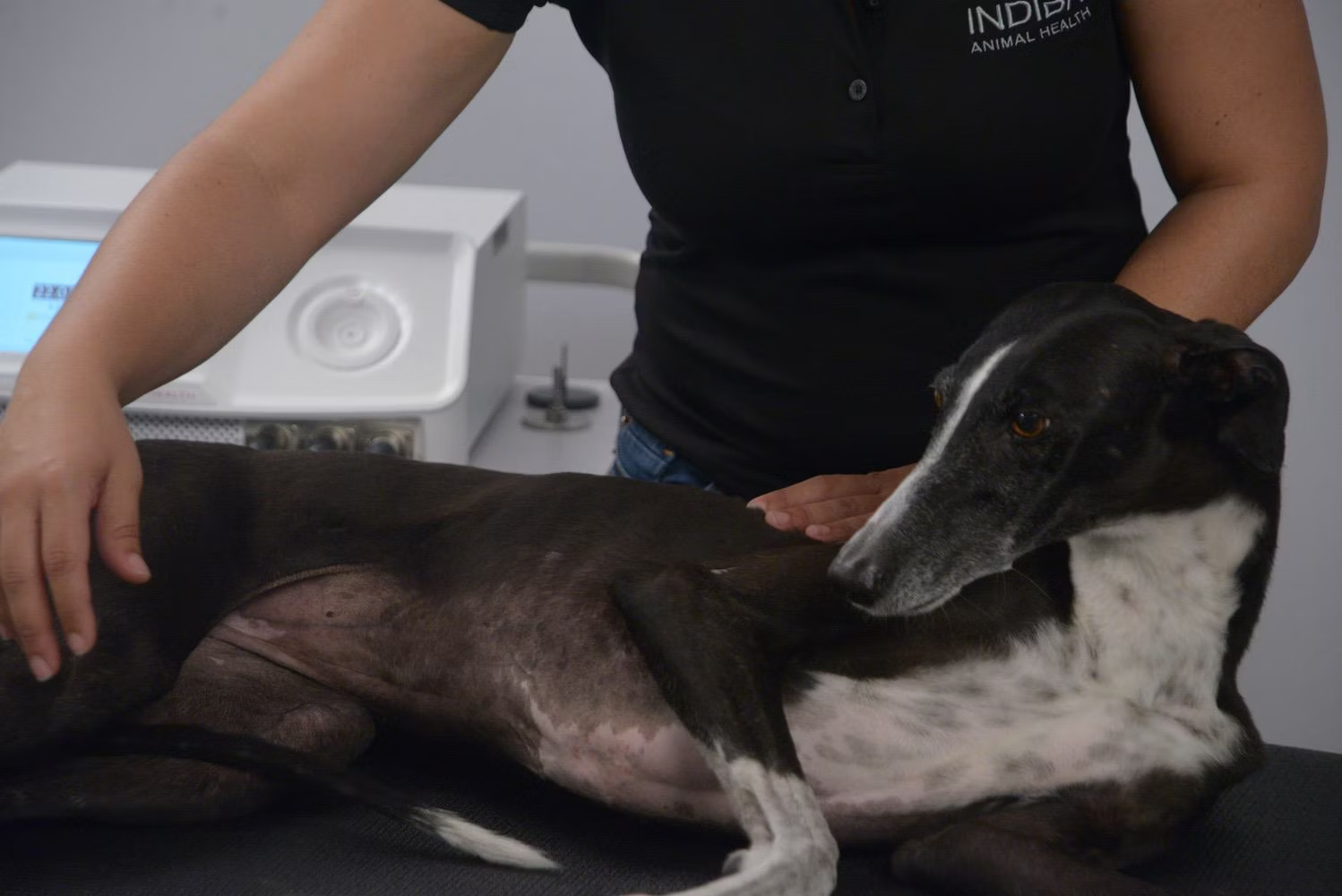
The treatment is completely painless and pleasant - many animals relax or even fall asleep. The therapist moves an electrode gently over the treated area; a session usually takes from a dozen to about thirty minutes. No clipping of the coat, no sedation and no recovery time are needed. INDIBA works best as a series of treatments, planned individually and often combined with exercise on the underwater treadmill.
Safety and contraindications
INDIBA has an excellent safety profile, but it is not suitable for every patient - caution applies, among others, with cancer in the treatment area, pregnancy, fever, pacemakers or metal implants. That is why every patient has a qualification examination before therapy begins. If your dog or cat is reluctant to move, limps or is recovering after surgery, book a consultation at the MultiVet clinic in Lutynia near Wrocław - we will design a programme combining INDIBA therapy with rehabilitation.