
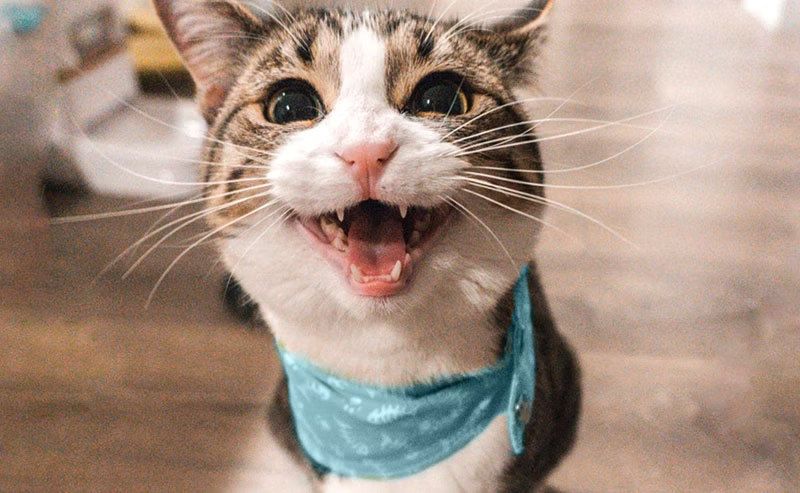
Feline chronic gingivostomatitis (FCGS) is one of the most painful diseases we see in cats. The animal suffers with every bite, yet often still tries to eat. Early diagnosis and treatment can transform its quality of life.
What gingivostomatitis is
It is an excessive, chronic inflammatory reaction of the lining of the mouth. The gums, the back of the mouth (the palatoglossal folds) and the cheek mucosa become bright red, swollen, ulcerated and extremely painful. The disease has an immune basis - the cat's immune system overreacts to the presence of dental plaque.
Possible causes and factors
- an abnormal immune response to plaque bacteria,
- viral infections (including calicivirus, FCV),
- coexisting periodontal disease and tooth resorption,
- factors that lower immunity (FIV, FeLV).
Signs you must not ignore
A cat with gingivostomatitis suffers even while eating. Watch for: severe pain when eating, crying out or backing away from the bowl, drooling (sometimes with blood), bad breath, a neglected coat (because grooming hurts), weight loss and irritability. Redness deep in the mouth is very characteristic.
How we treat it
The foundation is radical removal of plaque - so the treatment of choice is often professional cleaning and, in many cases, tooth extractions (partial or full-mouth). Although removing teeth sounds drastic, in most cats it brings enormous relief and remission. We support treatment with pain relief and anti-inflammatory therapy, and complete the work-up with X-rays and blood tests.
Life after treatment
Cats after extractions eat very well - dry food included - because the source of pain is gone. Regular check-ups and a quick response to any flare-up are essential. If you suspect stomatitis in your cat, do not delay - book a visit at MultiVet in Lutynia near Wrocław, cared for by Dominika Pilarz, DVM. See our veterinary dentistry.