
Tooth fractures are among the most common mouth injuries in dogs - especially in those that love chewing hard objects. The problem is often overlooked because dogs rarely show pain. Yet exposed pulp is an open door for bacteria and a cause of serious complications.
Where fractures come from
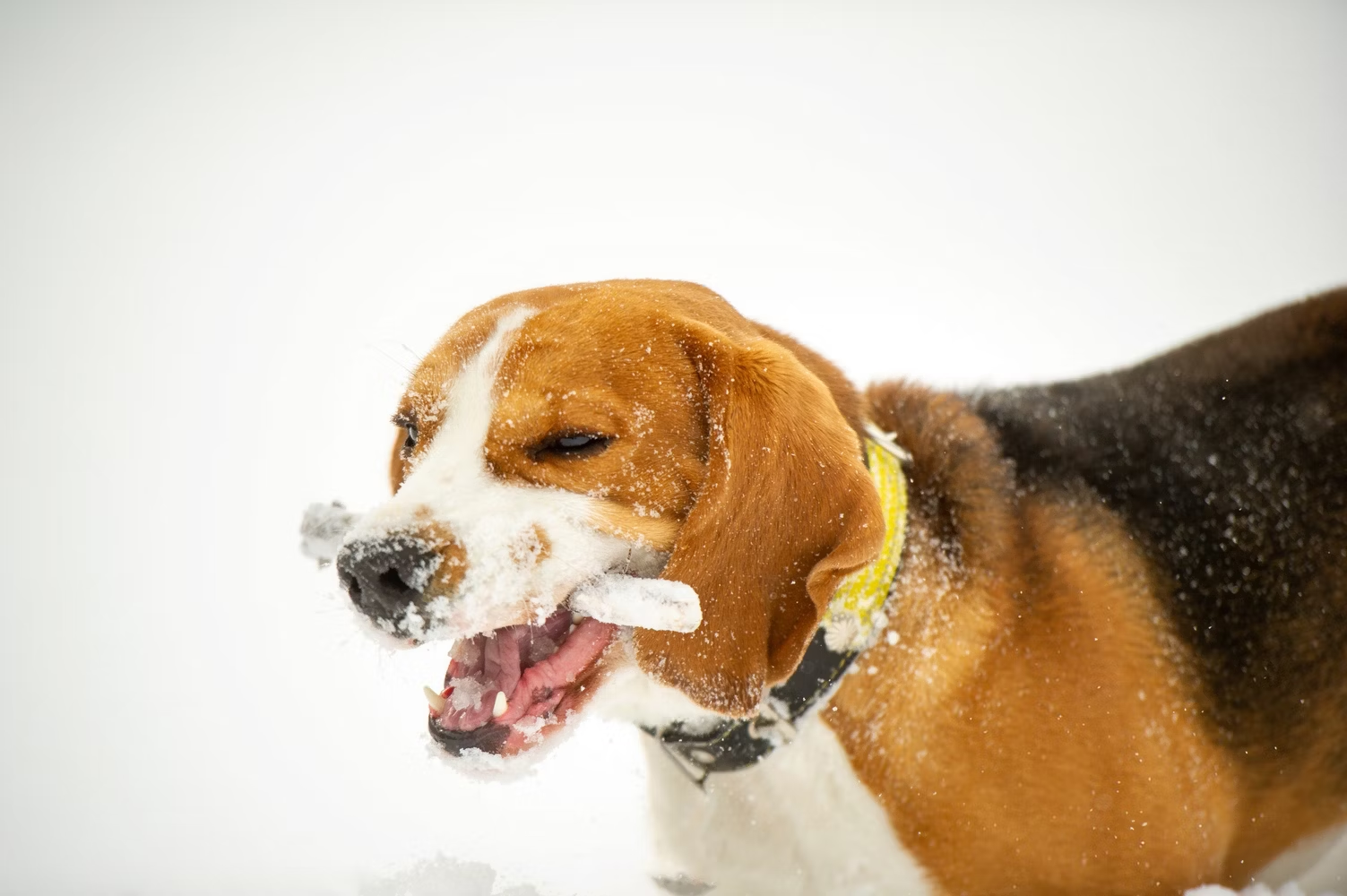
The most common cause is chewing overly hard objects: bones, antlers, stones, crates, hard chews or sticks. Fractures also happen in falls, accidents and games of fetch. The large canines and the chewing teeth (carnassials) are most at risk.
Why a broken tooth hurts and is dangerous
If the fracture exposes the pulp - the living interior of the tooth with nerves and vessels - the tooth becomes very painful and quickly infected. The infection travels to the root and forms an abscess, which may burst as a swelling below the eye or a draining tract on the face. Even when the pain seems to "pass", the infection smoulders on.
Signs of a broken tooth
- a visibly chipped crown, a sharp edge or a discoloured tooth,
- chewing on one side, dropping toys,
- drooling, sometimes with blood,
- swelling of the cheek or below the eye,
- irritability when the mouth is touched.
Treatment - time matters
A broken tooth is an urgent dental problem. Depending on the extent of the injury and the X-ray result, the vet may recommend root canal treatment (for selected teeth) or extraction. The sooner you act, the better the chance of saving the tooth and the fewer the complications. Even a clear enamel chip without exposed pulp should be assessed, as micro-cracks can be deceptive.
How to prevent it
Avoid giving your dog very hard chews (bones, antlers, hard nylon) - a good rule is: if you cannot dent it with a fingernail, it is too hard. Choose flexible chews and supervise play. If an injury happens, do not delay - book a visit at MultiVet in Lutynia near Wrocław, where fractures are treated by Dominika Pilarz, DVM. See our veterinary dentistry.