
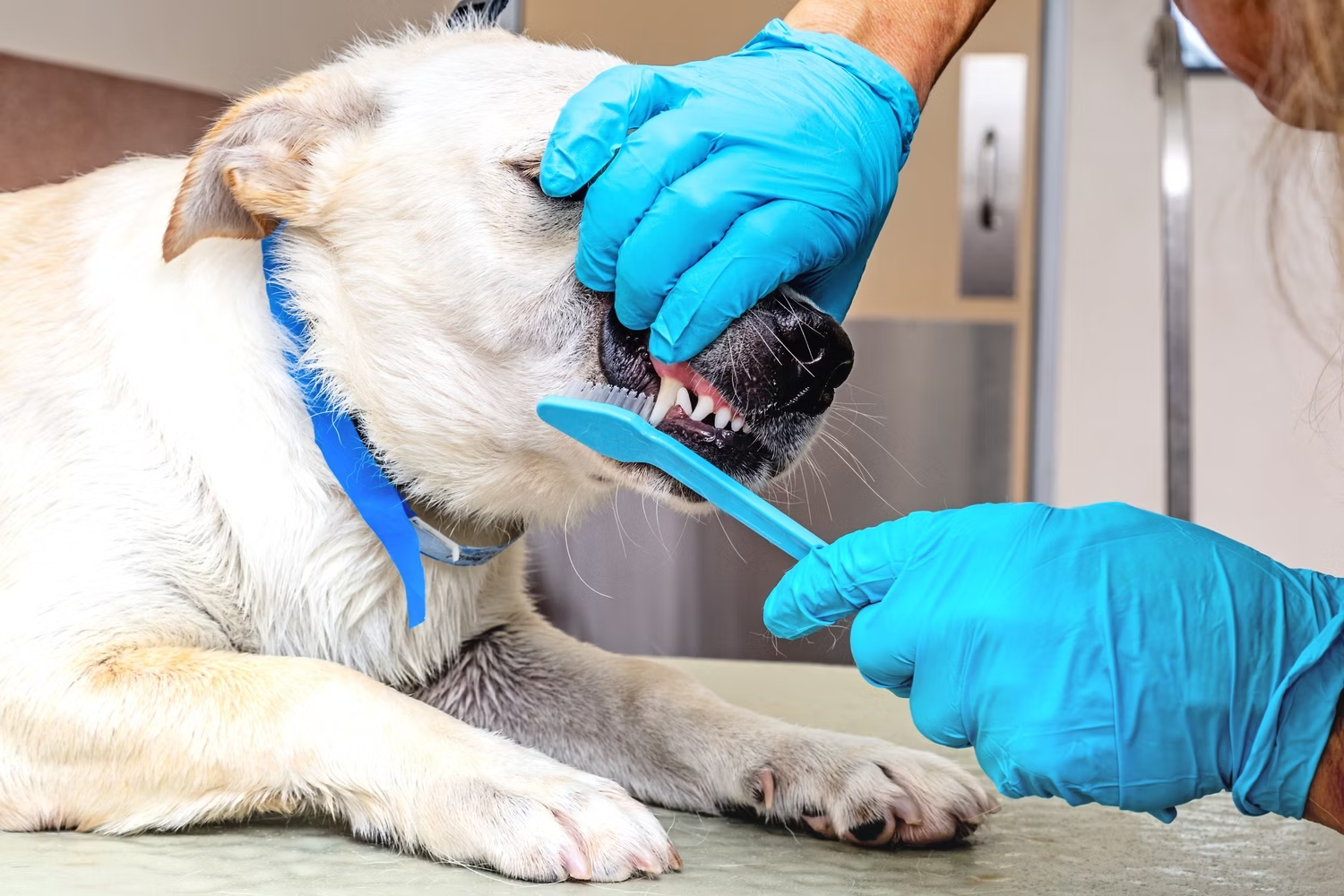
Periodontal disease is the most common oral disease in dogs and cats - to some degree it affects most animals over three years old. It is the progressive destruction of the tissues that hold a tooth in its socket. Left untreated, it leads to pain, tooth loss and burdens the whole body.
From plaque to periodontitis
It all starts with plaque and tartar. Bacteria gathering under the gum trigger gingivitis - a stage that is still reversible. If we do nothing, the inflammation reaches deeper and destroys the periodontal ligament and the surrounding bone. This is periodontitis, and its damage is irreversible.
Signs at each stage
- Early: red gums, bad breath, slight bleeding.
- Moderate: visible tartar, receding gums, exposed tooth necks.
- Advanced: loose teeth, pus-filled pockets, pain, reluctance to eat, weight loss.
Why it threatens the whole body
The mouth is richly supplied with blood, so bacteria and inflammatory mediators pass easily into the bloodstream. Chronic periodontal disease burdens the heart, kidneys and liver and can worsen other conditions. Caring for the gums is part of caring for the whole animal - not just about a nice smile.
Diagnosis and treatment
A full assessment is only possible under anaesthesia: the vet probes the depth of the gum pockets, checks tooth mobility and takes dental X-rays, because most changes are invisible to the naked eye. Treatment involves professional scaling and polishing, cleaning the pockets and, in advanced cases, extracting teeth that can no longer be saved.
How to prevent it
Prevention is most effective: daily tooth brushing, dental chews, a supportive diet and regular dental check-ups. Catching gingivitis early lets us stop the disease before irreversible damage occurs. Diagnosis and treatment of periodontal disease at MultiVet in Lutynia near Wrocław is provided by Dominika Pilarz, DVM - book a dental visit.