
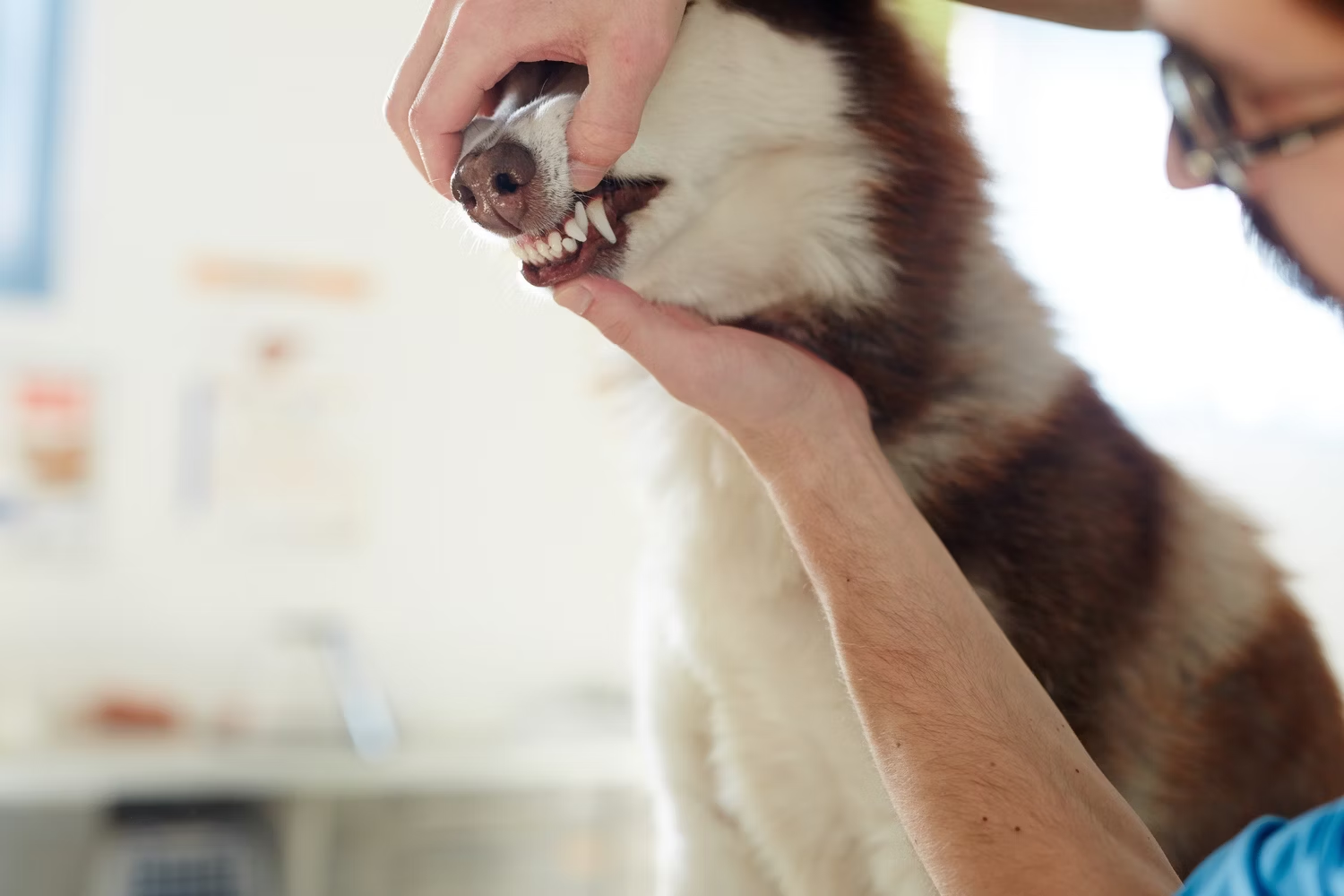
Dental tartar is the most common dental problem in dogs - with age it affects the majority of pets. Although it looks harmless, it is a breeding ground for bacteria and the first step towards periodontal disease, pain and tooth loss. Here is how it forms, how to remove it safely, and how to limit its return.
How tartar forms
After every meal a soft plaque - a film of bacteria and food debris - settles on the teeth. If it is not removed regularly, within a few days it mineralises with salts from saliva and hardens into tartar. Tartar has a rough surface that traps even more plaque, so the problem snowballs.
Why tartar is only the beginning
Visible tartar on the crown is just the tip of the iceberg. The most damaging changes happen below the gum line, where bacteria destroy the tissues holding the tooth in place. Gingivitis develops, then periodontal disease - with pain, receding gums and loose teeth. Chronic inflammation also burdens the heart, kidneys and liver.
Warning signs
- brown-yellow deposits at the base of the teeth, especially on canines and molars,
- bad breath,
- red or bleeding gums,
- reluctance to chew hard things, chewing on one side,
- drooling and pawing at the mouth.
Scaling - professional tartar removal
Tartar cannot be removed by brushing - it requires scaling and polishing under short general anaesthesia. An ultrasonic scaler breaks down deposits, including those in the gum pockets, and polishing smooths the enamel so new plaque builds up more slowly. During the procedure the vet assesses every tooth and, if needed, takes X-rays and performs extractions.
Why anaesthesia-free scaling fails
So-called anaesthesia-free scaling only cleans the visible part of the tooth and gives a purely cosmetic effect. It cannot clean below the gum line - exactly where the real disease is - and a restrained, conscious dog is under great stress. It is misleading: the teeth look better while the disease progresses out of sight. That is why proper dentistry is always done under safe, monitored anaesthesia.
How to limit recurrence
After the procedure, home prevention is key: regular tooth brushing with dog toothpaste, dental chews and a suitable diet, plus routine oral check-ups. This means the next scaling will be needed far less often. Dental procedures for dogs and cats at MultiVet in Lutynia near Wrocław are performed by Dominika Pilarz, DVM - see our dentistry service.