
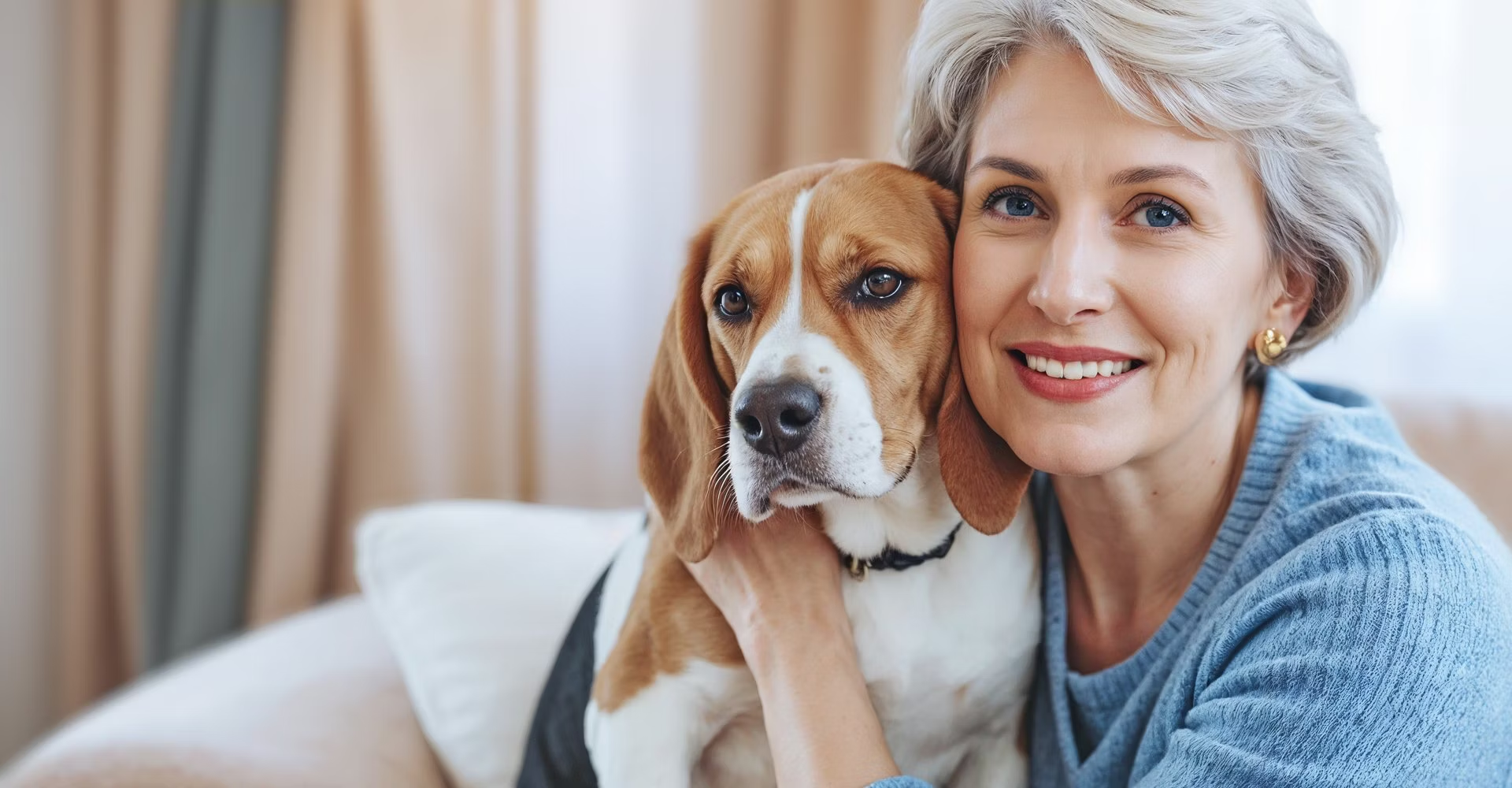
Ageing is not a disease - but it is a stage of life when diseases appear more easily and hide better. With attentive care, many problems of older age can be delayed or softened, and a senior dog can enjoy excellent quality of life for years.
When does a dog become a senior?
It depends on size and breed. Large and giant breeds age faster and reach their senior years around age 6-7, while small dogs stay youthful longer. From that point we recommend check-ups every six to twelve months, including a clinical examination and basic blood tests - many chronic diseases respond very well to treatment if caught early.
What to watch for
- changes in appetite, thirst and body weight,
- less tolerance of exercise, stiffness, limping,
- lumps, skin changes, bad breath,
- behavioural changes, disorientation, disturbed sleep.
Feeding an older dog
Seniors are usually less active, so they gain weight more easily - and excess weight burdens joints and heart. On the other hand, some conditions call for special diets (kidney or joint support). It is worth choosing the food together with your vet, based on examination results. Fresh water should always be available, and changes in appetite or thirst deserve a check-up.
Body and mind in shape
- shorter but regular walks maintain fitness and muscle,
- scent games and simple tasks keep the mind active,
- a warm bed and non-slip mats protect the joints,
- for joint pain, rehabilitation and INDIBA therapy bring real relief.
We provide geriatric care and preventive check-ups within our internal medicine service at MultiVet in Lutynia near Wrocław.