
Chronic kidney disease (CKD) is one of the most common conditions of older cats. Its treachery lies in the timing: symptoms usually appear only when a large part of kidney function is already lost. Early detection is therefore the single most valuable thing an owner can arrange.
Early signs to watch
- increased thirst and more frequent urination,
- weight loss and a poorer appetite,
- lethargy and a duller coat,
- occasional vomiting in later stages.
These signs are unspecific and easy to put down to age - which is why testing matters more than watching.
How we diagnose and support
- blood tests (kidney parameters, including SDMA) and urinalysis,
- blood pressure measurement - hypertension often accompanies CKD,
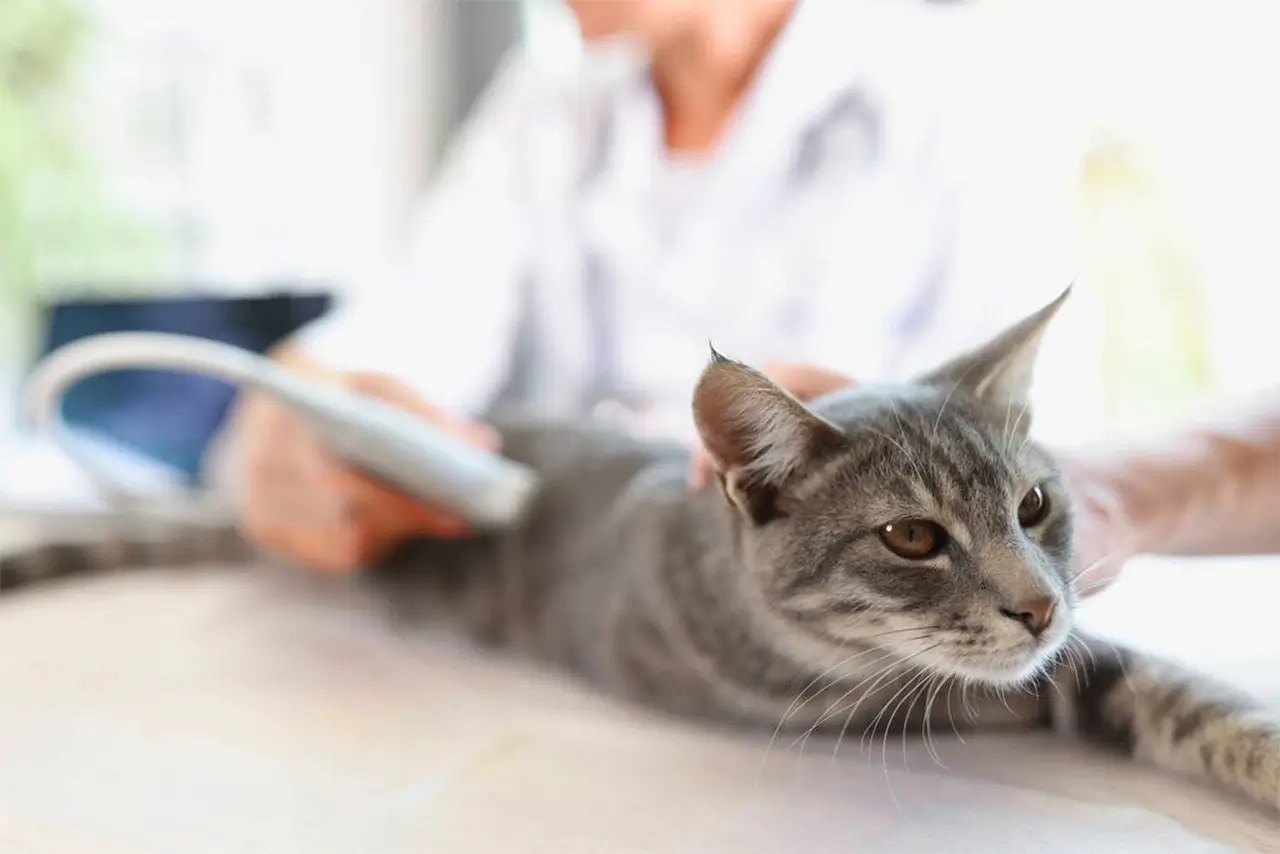
- abdominal ultrasound to assess kidney structure.
Kidneys do not regain lost function, so the goal of treatment is to slow progression and keep the cat comfortable - and this works best when the disease is caught early.
Diet and hydration - the foundations
A renal diet is one of the few measures with proven impact on survival time in CKD - lower phosphorus and appropriately balanced protein. Equally important is hydration: wet food, water fountains and several bowls encourage drinking; in advanced cases the vet may recommend fluid therapy. Introduce the new diet gradually - a cat that refuses food gains nothing from the best formula.
Living with CKD
With regular check-ups, consistent medication and a suitable diet, many cats live comfortably for years after diagnosis. For mature and senior cats we recommend preventive blood and urine tests even when the cat seems healthy - available within our internal medicine service, with blood pressure checks, at MultiVet in Lutynia near Wrocław.