
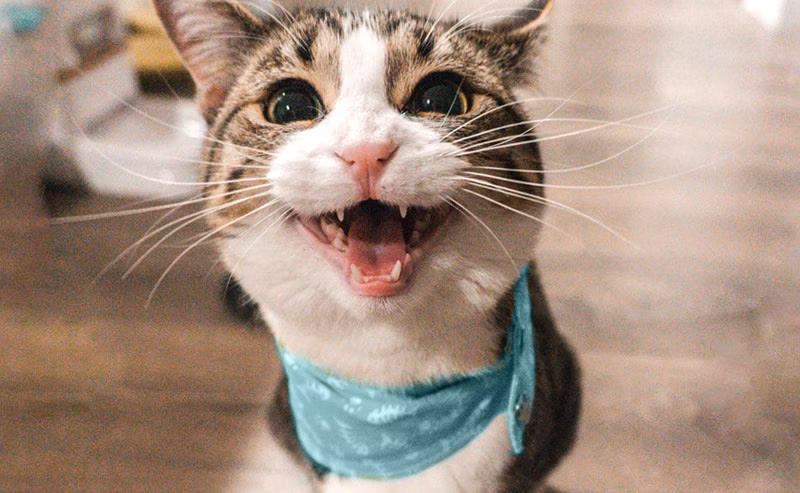
Cats are masters at hiding illness, which makes ageing easy to miss. Signs creep in slowly: less activity, less jumping, changes in appetite or thirst, weight loss despite eating well, an unkempt coat. Cats are usually considered seniors from around 10-11 years of age - though the first changes can appear earlier.
The most common diseases of older cats
- chronic kidney disease - very common in cats,
- hyperthyroidism - weight loss despite a huge appetite,
- diabetes, joint disease and high blood pressure,
- dental and oral disease.
Because symptoms build up gradually, the most effective tool is a regular check-up with blood and urine tests - it catches disease before it becomes advanced, when we can do the most.
A senior-friendly home
Give an older cat easily accessible bowls, a litter tray with a low edge, and warm, quiet resting places. If jumping becomes harder, steps or a stool to favourite spots help. Watch how much your cat drinks and how it uses the litter tray - changes there are early signals of kidney, thyroid or diabetic problems.
Feeding and hydration
Older cats are prone to dehydration - wet food, water fountains and several bowls around the home encourage drinking. If a disease has been diagnosed, the vet will match a veterinary diet to it. Introduce any change of food gradually; cats can flatly refuse sudden swaps.
When to see the vet
- noticeable weight loss or changed appetite and thirst,
- less jumping, stiffness, withdrawal from play,
- a neglected coat or over-grooming of one spot,
- night-time yowling, disorientation, behaviour changes.
We care for senior cats at the MultiVet clinic in Lutynia near Wrocław within our internal medicine service - even an apparently healthy older cat benefits from a yearly blood check.