
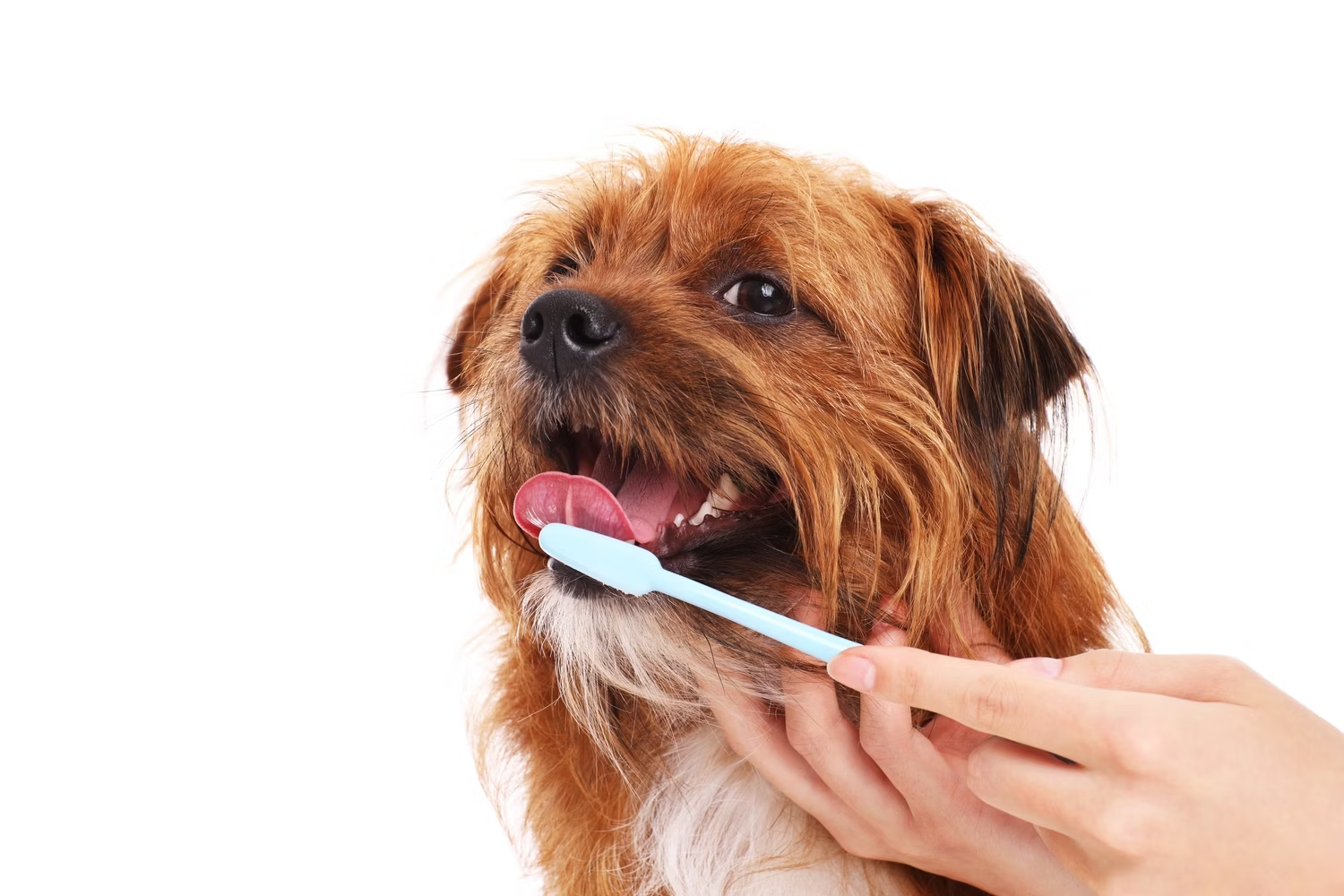
Tooth brushing is the most effective home prevention of oral disease - more effective than chews, "dental" diets or water additives. It sounds hard, but with patience and the right approach many dogs come to accept the routine, and even enjoy it. Here is how to start.
Why it matters so much
Plaque hardens into tartar within just a few days. Regular brushing removes plaque before it mineralises, delaying tartar, gingivitis and periodontal disease. It is a few minutes a day that genuinely extends your pet's dental health and pushes procedures under anaesthesia further into the future.
What to use
- dog toothpaste - never human paste (fluoride and other ingredients are harmful to dogs),
- a soft dog toothbrush or a finger brush,
- for small dogs, a child's toothbrush works well,
- a tasty paste (poultry, beef) makes acceptance easier.
Step by step - building acceptance
Work gradually over one to two weeks, always calmly and with a reward:
- Days 1-3: let the dog lick paste off your finger - so it links the paste with pleasure.
- Days 4-6: gently touch the teeth and gums with a pasted finger, especially the canines.
- Days 7-10: introduce the brush, cleaning a few teeth with circular motions.
- Later: extend brushing to cover more and more teeth.
Technique and frequency
Brush mainly the outer surface of the teeth (the cheek side) - that is where most tartar builds up. Work along the gum line at a slight angle. Ideally brush daily; the minimum is three times a week. Always finish with a reward and praise.
What to avoid and when to see a vet
Do not use human paste, do not force it, and do not start when the gums are red or sore - that is a sign to book a visit. Brushing will not remove existing tartar; that needs scaling. If you see tartar or inflammation, book a check-up at MultiVet in Lutynia near Wrocław with Dominika Pilarz, DVM. See our dentistry service.